

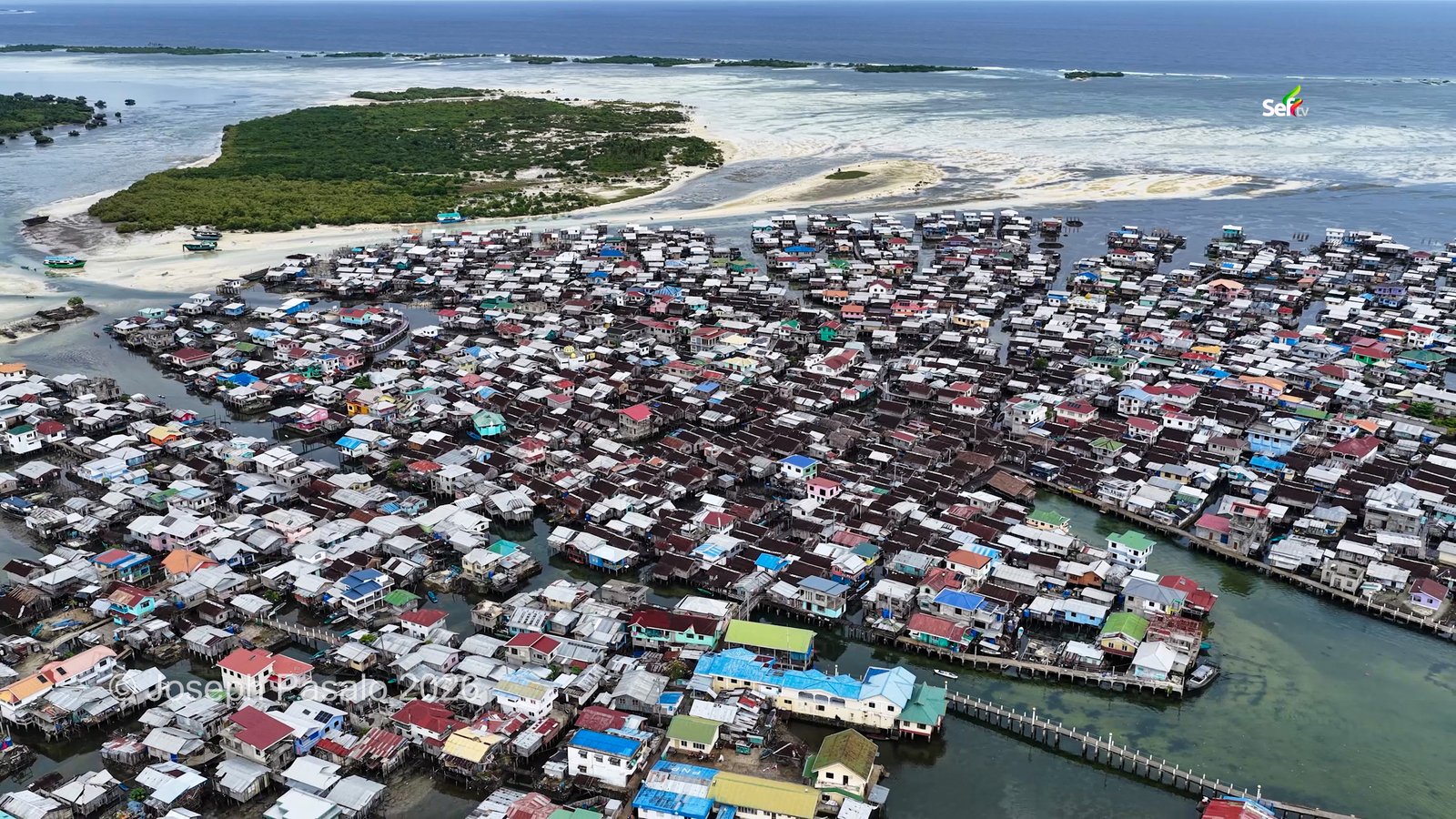
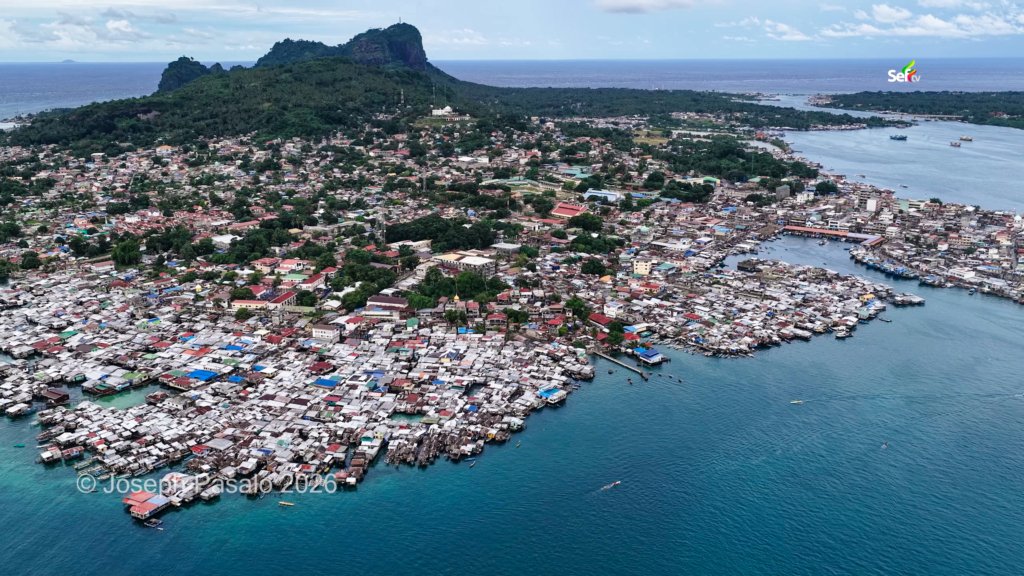
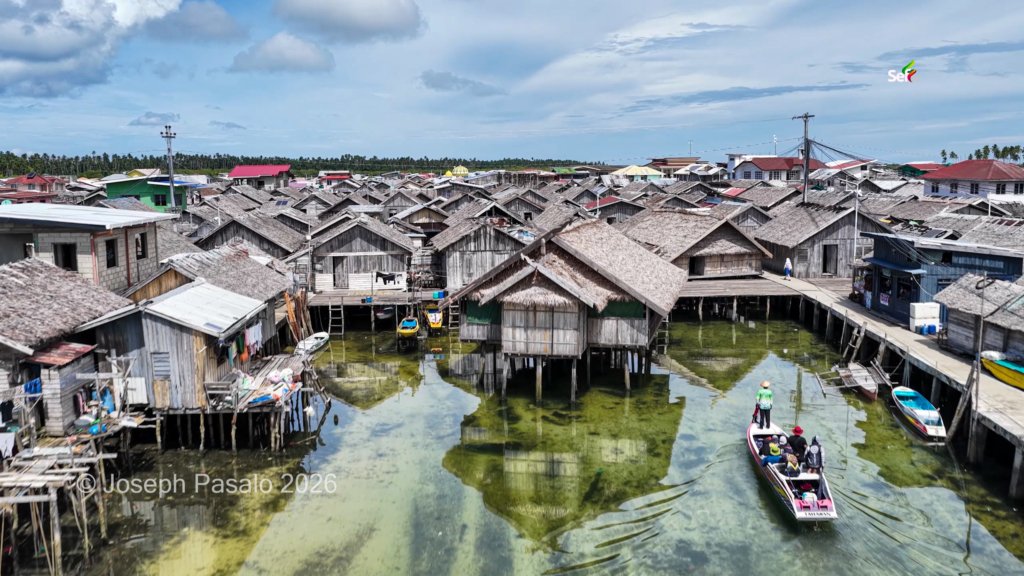
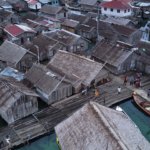
There is a town in the far south of the Philippines that sits right in the middle of two great seas. On one side is the Sulu Sea. On the other is the Celebes Sea. Caught between them, with many of its houses standing on stilts above the water, is South Ubian — a town of almost 30,000 people in the province of Tawi-Tawi.
I had just come from the farthest tip of Tawi-Tawi when I decided to go all out. From the very south, I wanted to travel all the way up to see this place that locals say lies on the boundary between Sulu and Tawi-Tawi. I did not expect that the trip would test my nerves, or that the town itself would quietly change the way I think about home and memory.
A long wait for calm water
Getting to South Ubian is not a matter of simply buying a ticket. Bad weather was forming over the very part of the sea we needed to cross, and our trip was pushed back again and again.
One morning in Bongao, the capital, I stepped outside our small hotel and the sky had turned dark and heavy, almost like a storm signal. The day before, it had been sunny, hot, and humid. Now the wind was up and the water was rough.
The public ferries to South Ubian leave only three times a week, and the ride can take up to seven hours. To save time, we chose to hire a speedboat instead. If the sea is calm, the same trip can take just two to three hours. But the sea was not calm.
Before we left, I asked our boatman plainly if it was safe. He did not promise me anything. “We don’t know the course of the time,” he said. The waves had been strong the day before, and no one could say what the water would do next. He told me the choice was mine. As long as the boat could handle it, I said, we were ready.
The crossing
I have ridden many boats for this channel, but few crossings have stayed with me like this one.
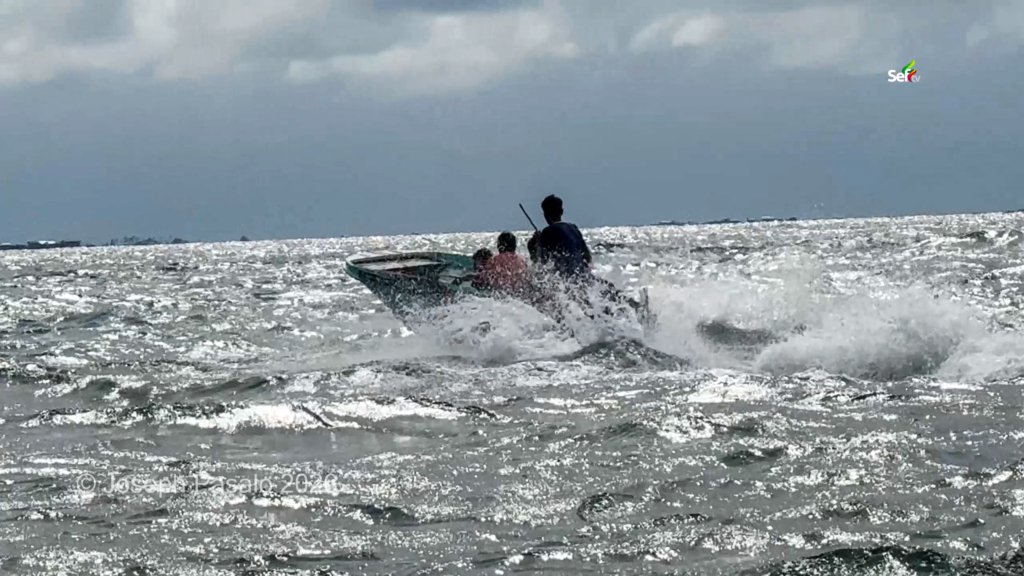
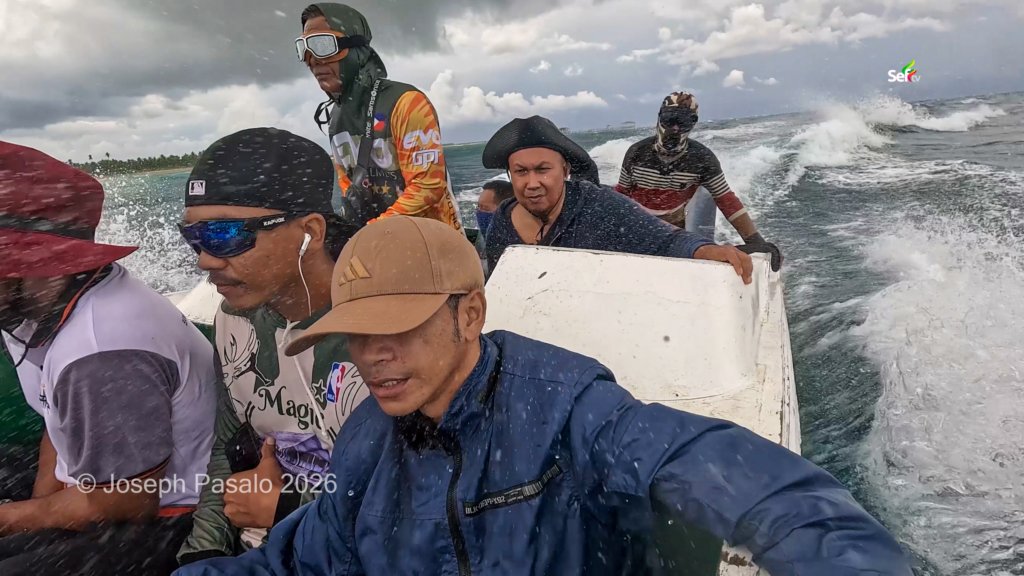
Even a few kilometers from land, the water kept changing. One stretch was wavy, another was rainy, and then, without warning, it would turn calm again. This is the place where water from two huge seas meets and pushes against itself. Large fish pass through here, and so do strong, strange currents that seem to pull in every direction at once.
As we drew closer to Tabawan, the main island of South Ubian, the waves grew tall and forceful. Our biggest challenge was simply finding a safe way into the harbor. It helped that our boatman knew these waters well. Even when he was nervous, he stayed calm and read every single wave before letting the boat move.
When we finally reached shallow water, my knees were still shaking — not from the long hours, but from the size of the waves we had just passed. Our boatman, who looked perfectly relaxed, finally admitted the truth. The crossing was fine, he said, as long as the water stayed out of the boat. “But if the water starts coming in,” he told me, “then I will be scared too.”
Children who fish like magic
The first thing I saw on Tabawan made me forget my fear. Just a few meters from where we stood, local children were diving into the sea. In only a few seconds underwater, they would come back up with a fish already in hand. That is how rich this part of the ocean is.
A vehicle soon arrived to take us to the town center, which surprised me, since the island is small. From there we walked. Cars and even motorcycles are not allowed in parts of the town, so we went more than 300 meters on foot, along clean, quiet pathways, before reaching the only hotel in the center.
I did not expect a place this far off the map to have a proper hotel, but it did — with a fan, an air conditioner, a wardrobe, and a bathroom. The electricity here only starts at four in the afternoon. Until then, solar power runs the lights and the fan, and we save our charging and cooling for the evening.
The thing I remember most is the sound. There are no car horns here. Instead, you hear boats passing by all day long. The sea is the highway, and it carries small boats right up to the front doors of the houses.
A town where the ancestors never left
With the help of the local government and Mr. Omarjan, the town’s representative for its indigenous people, we were taken to the oldest part of Tabawan — the very first village in South Ubian.
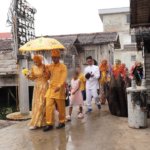
Here I learned about a belief that I have not seen anywhere else. The old wooden houses in this village are considered sacred. The people believe that the spirits of their ancestors still live inside them. They are not seen as ghosts to fear, but as family members who remain part of the community. The homes even keep a bed inside for them. Before entering or leaving, we paid our respects not only to the living elders but also to the ancestors they believe still dwell there.
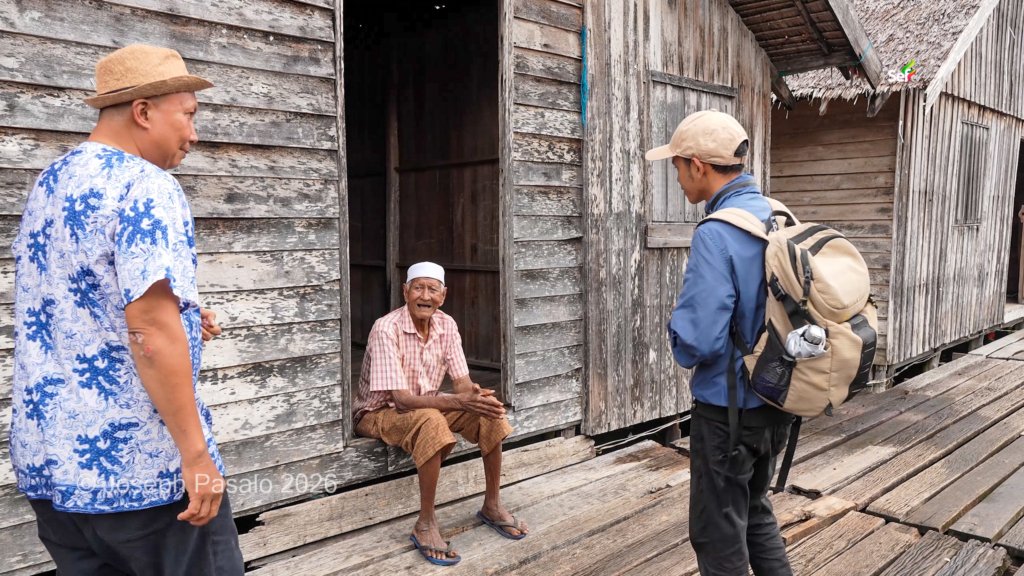
The oldest imam in the village, whom the locals call “Bapa,” or father, leads the rituals. Offerings of food are arranged on a traditional tray called a dulang. The narrow sacred walkway where these rituals are held has its own name: Pantan.
They showed me the first house their ancestors ever built, called luma maheya. It was made without a single nail. Every piece is clamped and locked together by hand, and the design has been kept exactly the same for generations, just as the ancestors wished. Nearby stands a langgal, a traditional wooden mosque where the Muslim community prays and where important rituals still take place. The houses can be counted, but no one can really count how many years old the earliest ones are.
A small town that is quietly growing
South Ubian 由四个岛屿组成,大部分人居住在 Tabawan 一侧。镇上的 31 个村庄中,有十二个建在水上。走在蜿蜒曲折的街道上,感觉就像在温和的迷宫中穿行。
古老的木屋现在矗立在混凝土建筑旁边。这里有学校、杂货店、药店,甚至还有一个汇款点。当地人告诉我,这个镇子的绰号来源于这里零售小店的数量之多。不过,这里没有湿巴刹。所有新鲜的鱼都是当天从船上直接售卖的。
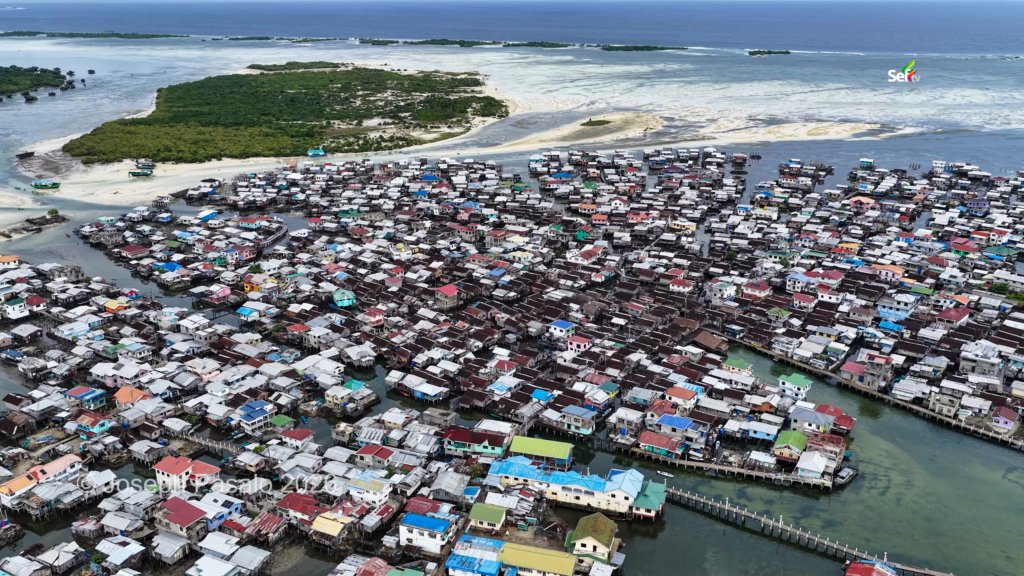
我还注意到一个虽小但迷人的细节。这里的房屋通常没有围栏,但总有扇门——有的由木头制成,有的由混凝土制成。围栏是可有可无的,但门似乎是必需的。
墓碑岛与石头的意义
第二天,天空转为灰色,大雨倾盆而下,但我们继续前行。就在镇子对面的水域, lies Bumbun 岛,当地人称之为墓碑岛。
这里的墓碑由石灰岩制成,它们的形状讲述着一个故事。长形的墓碑表示埋葬的是男孩或男人。宽形的墓碑表示埋葬的是女人。大的墓碑是为长者准备的,小的墓碑是为孩子准备的,而一簇簇的墓碑则表示一家人安息在一起。这些形状也被视为我们身份的象征。
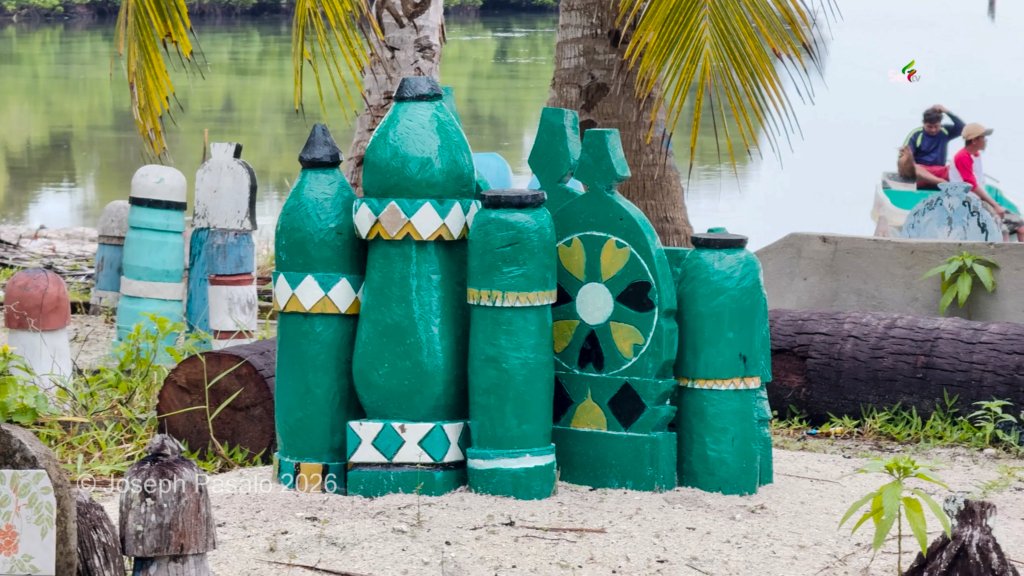
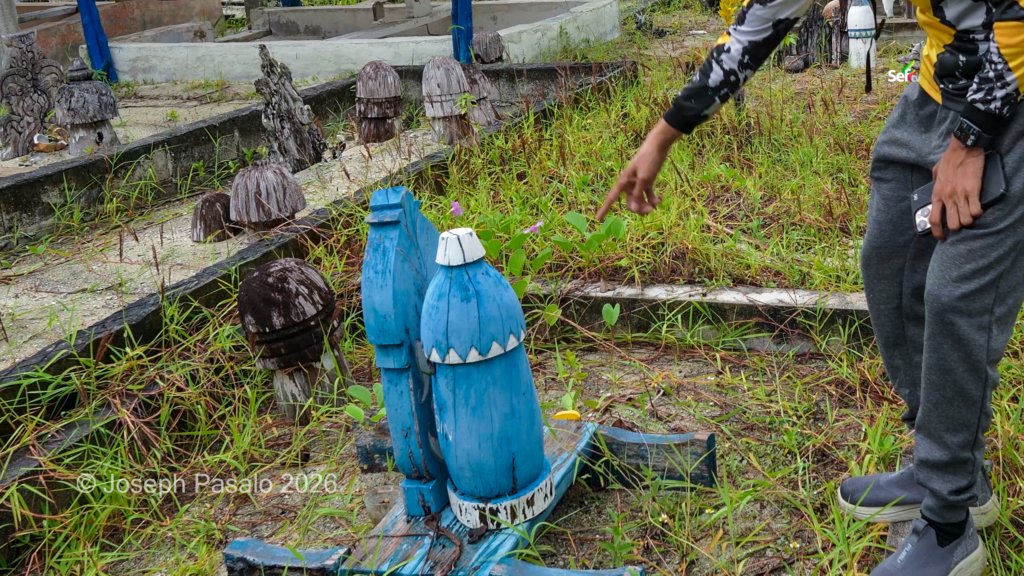
在神圣的斋月开始前五天,人们回到这个岛上祭奠祖先。他们称这段时间为 Limang Hari ni Kamatayan,这是他们自己的万灵节。
清洁的水,清白的记录
从墓碑岛出发,我们穿越了六公里多颠簸的海域,到达了 Bintawlan 岛,这是一个如此美丽的地方,连游客都会慕名而来。
在 Tabawan 岛上,我曾想过,当一个月不下雨时,人们从哪里获得淡水。答案是 蓄水池——一个由岛上地下泉水供水的储水系统。水很干净,从不含盐,人们用它来清洗、沐浴,甚至饮用。
Bintawlan 岛也蕴藏着一份宁静的骄傲。South Ubian 是 Tawi-Tawi 地区唯一戒毒所的所在地,该镇被评为该省唯一一个所有村庄都摆脱毒品困扰的市——这一荣誉已保持两年,这要归功于其市长 Hadzri H. Matba 的努力。
在海滩上,一位当地人正在沙滩上翻找,递给我一个漂亮的蜘蛛海螺壳,这种我只见过用作装饰品。在这里,它只是随意地躺在野外。沙子本身洁白得惊人,混杂着珊瑚碎片和海中粉红色的碎屑。
一个值得铭记的小镇
在短短两天内游览 Tawi-Tawi 的这个小角落,我看到和听到的故事比我能想象的还要多。与我到访过的其他地方相比,South Ubian 并不大,但在这里我发现的只是一个几乎未在社交媒体上出现过的小镇中,仍有待发现的一切的一小部分。
Through their culture, their traditions, and their natural beauty, the people here hold a simple hope — that one day, like other famous destinations, their home will welcome travelers too. They call it the first town known as the home of the living tradition.
Before we left, someone held up a fish to the camera, smiling. To them it was nothing special, just a normal catch. But to me, it was proof of how rich this place truly is — in its waters, in its history, and in the way it keeps the past alive.
Watch the full expedition
Frequently Asked Questions
About South Ubian, Tawi-Tawi
Where is South Ubian, Tawi-Tawi?
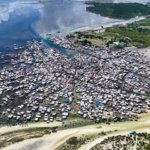
South Ubian is a municipality in the province of Tawi-Tawi, in the far south of the Philippines, sitting where the Sulu Sea meets the Celebes Sea. It’s made up of four islands and almost 30,000 people, with most of the population living on Tabawan, the main island. Of its 31 villages, twelve are built directly above the water on stilts. Locals describe the town as lying along the boundary between Sulu and Tawi-Tawi.
How do you get to South Ubian?
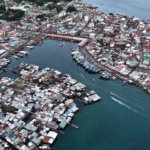
Every trip to South Ubian starts in Bongao, the capital of Tawi-Tawi, and crosses open sea from there. Public ferries run only three times a week and the ride can take up to seven hours. A hired speedboat cuts that to two or three hours — but only when the water is calm. This is the stretch where two seas push against each other, so currents are unpredictable and departures get delayed by weather. Build extra days into your schedule. Ours was pushed back again and again.
Is it safe to travel to South Ubian?

On our trip, the sea was the real risk, not the town. The crossing to Tabawan can turn rough without warning, and a boatman who knows how to read these waters matters far more than the size of the boat. On land, South Ubian is quiet and welcoming — it’s the only municipality in Tawi-Tawi where every village has been certified cleared of drugs, an honor it has held for two years. As with any trip to this part of the country, check current travel advisories and coordinate with the local government before you go.
Why do people in Tabawan believe their ancestors still live in their houses?
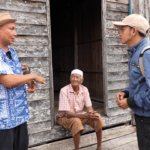
In the oldest village of South Ubian, the original wooden houses are considered sacred, and families believe the spirits of their ancestors still dwell inside them. They aren’t feared as ghosts — they’re treated as family members who never left, and a bed is kept in the house for them. Visitors pay respects to both the living elders and the ancestors before entering and leaving. The oldest imam, called “Bapa,” leads the rituals, with food offerings arranged on a traditional tray known as a dulang, along a sacred walkway called the Pantan.
What is a luma maheya?
Luma maheya 是塔巴旺祖先建造的第一座房屋的名字。它建造时没有使用一枚钉子——每个接缝都由手工夹紧和锁定——而且这种设计已经传承了几代人,与祖先的愿望完全一致。附近矗立着一座langgal,这是一座传统的木制清真寺,穆斯林社区在此祈祷,并且仍然举行重要的仪式。这座村庄的房屋数量有限,但没有人能说出最早的房屋究竟有多古老。
塔威塔威的墓地岛是什么?
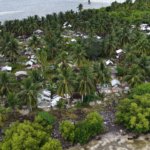
墓地岛是布姆本岛的当地名称,就在南乌比亚镇中心对面的水域。它的墓碑由石灰岩雕刻而成,形状带有含义:长形的墓碑表示埋葬的是男孩或男人,宽形的表示女人,大的表示长者,小的表示儿童。成簇的墓碑表示一家人安息在一起。对社区来说,这些形状是身份的象征,而不仅仅是墓葬的标记。
南乌比亚可以住在哪里?

塔巴旺镇中心有一家酒店,其设施比大多数旅行者在这偏远地区所期望的要好——有风扇、空调、衣柜和私人浴室。到达那里只需短暂步行。部分城镇不允许汽车和摩托车通行,因此从车辆停靠点步行约 300 米,沿着干净、安静的小路即可到达。
南乌比亚有电力吗?
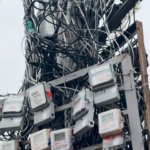
塔巴旺的电网供电从下午四点开始。在此之前,太阳能为灯和风扇供电。实际上,这意味着你需要围绕它来安排你的一天——晚上给相机、手机和电池充电,并在天黑后使用空调。如果你要拍照,请携带充电宝和备用电池。
南乌比亚以什么闻名?
南乌比亚自称是第一个被称为“活态传统”的家园的城镇——神圣的祖屋、无钉建造以及塔巴旺最古老村庄中仍在进行的仪式。它还因其零售店数量众多而闻名,这也是该镇绰号的由来。这里根本没有湿货市场;新鲜的鱼直接从船上出售,都是当天捕捞的。它还享有宁静的公民荣誉,是塔威塔威唯一一个所有村庄都摆脱毒品困扰的市镇。