


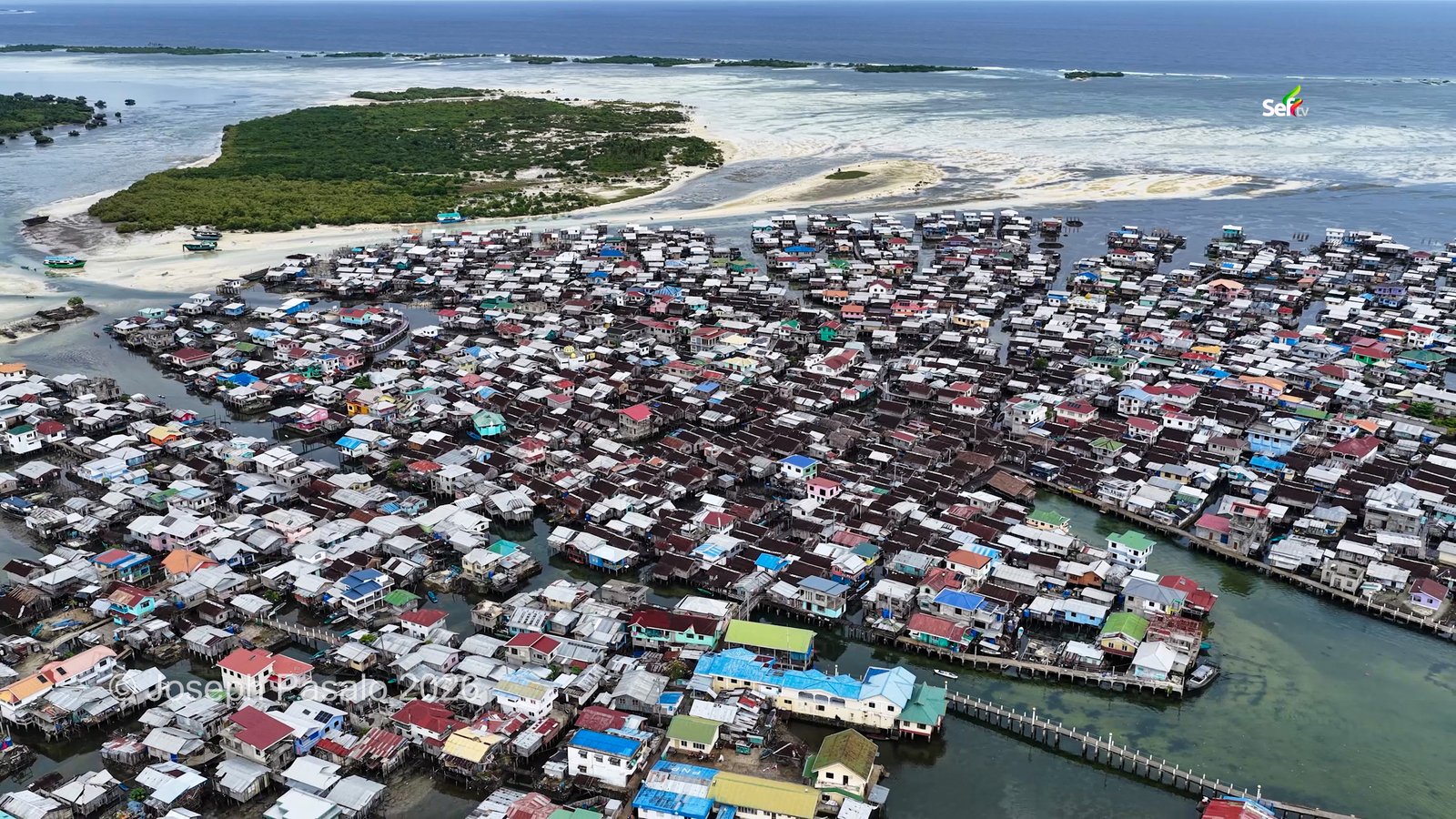
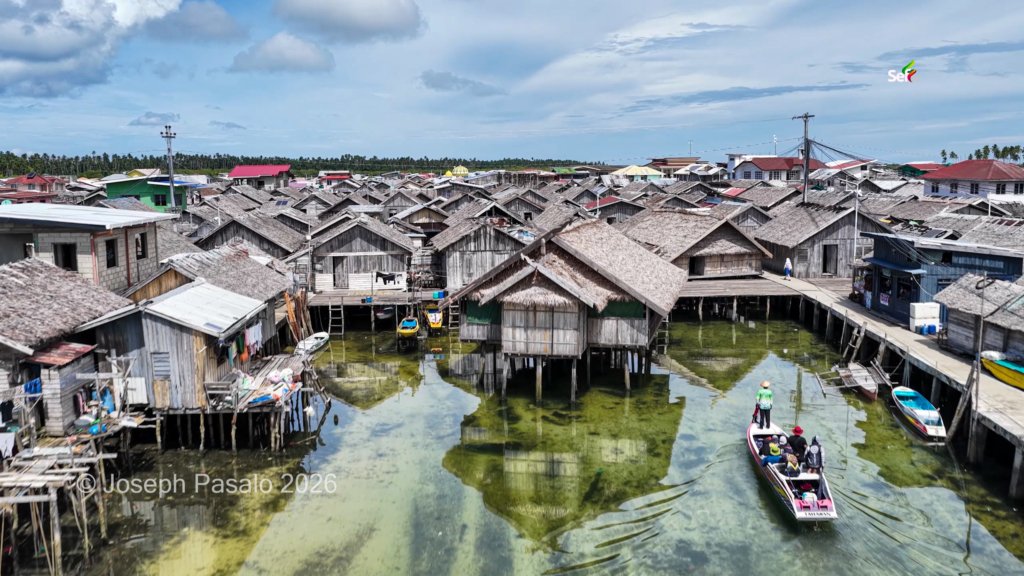
There is a town in the far south of the Philippines that sits right in the middle of two great seas. On one side is the Sulu Sea. On the other is the Celebes Sea. Caught between them, with many of its houses standing on stilts above the water, is South Ubian — a town of almost 30,000 people in the province of Tawi-Tawi.
I had just come from the farthest tip of Tawi-Tawi when I decided to go all out. From the very south, I wanted to travel all the way up to see this place that locals say lies on the boundary between Sulu and Tawi-Tawi. I did not expect that the trip would test my nerves, or that the town itself would quietly change the way I think about home and memory.
A long wait for calm water
Getting to South Ubian is not a matter of simply buying a ticket. Bad weather was forming over the very part of the sea we needed to cross, and our trip was pushed back again and again.
One morning in Bongao, the capital, I stepped outside our small hotel and the sky had turned dark and heavy, almost like a storm signal. The day before, it had been sunny, hot, and humid. Now the wind was up and the water was rough.
The public ferries to South Ubian leave only three times a week, and the ride can take up to seven hours. To save time, we chose to hire a speedboat instead. If the sea is calm, the same trip can take just two to three hours. But the sea was not calm.
Before we left, I asked our boatman plainly if it was safe. He did not promise me anything. “We don’t know the course of the time,” he said. The waves had been strong the day before, and no one could say what the water would do next. He told me the choice was mine. As long as the boat could handle it, I said, we were ready.
The crossing
I have ridden many boats for this channel, but few crossings have stayed with me like this one.
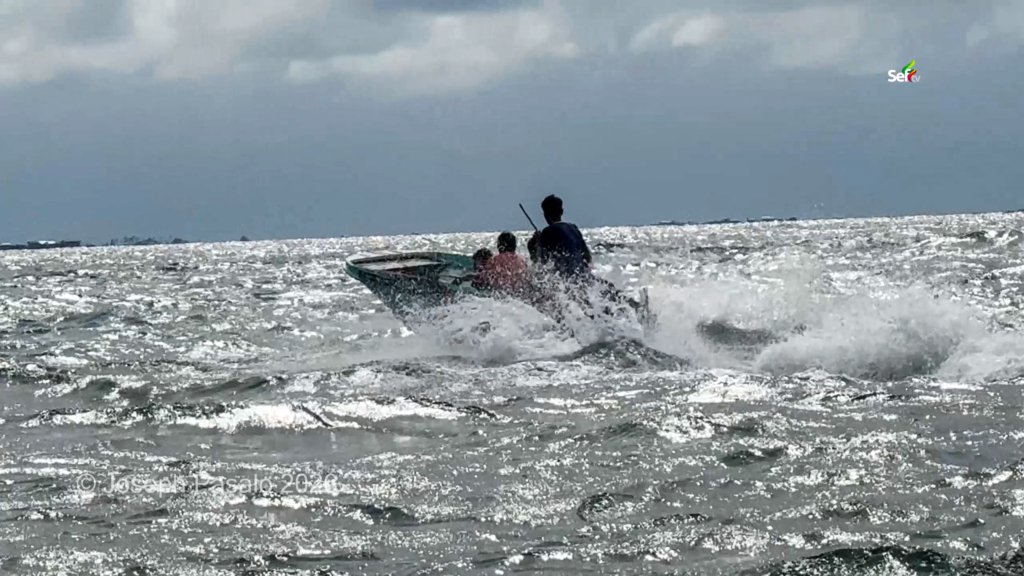
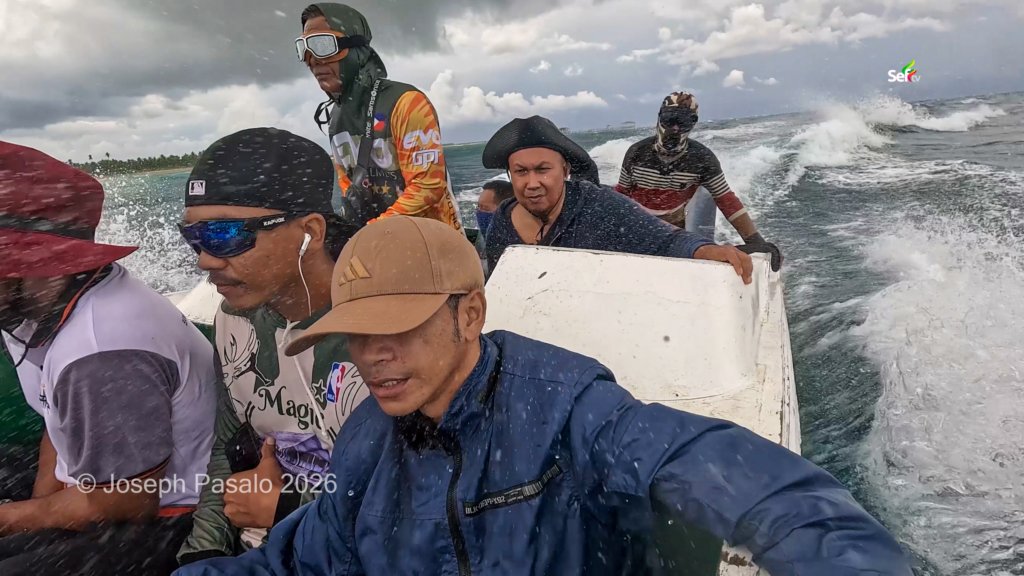
Even a few kilometers from land, the water kept changing. One stretch was wavy, another was rainy, and then, without warning, it would turn calm again. This is the place where water from two huge seas meets and pushes against itself. Large fish pass through here, and so do strong, strange currents that seem to pull in every direction at once.
As we drew closer to Tabawan, the main island of South Ubian, the waves grew tall and forceful. Our biggest challenge was simply finding a safe way into the harbor. It helped that our boatman knew these waters well. Even when he was nervous, he stayed calm and read every single wave before letting the boat move.
When we finally reached shallow water, my knees were still shaking — not from the long hours, but from the size of the waves we had just passed. Our boatman, who looked perfectly relaxed, finally admitted the truth. The crossing was fine, he said, as long as the water stayed out of the boat. “But if the water starts coming in,” he told me, “then I will be scared too.”
Children who fish like magic
The first thing I saw on Tabawan made me forget my fear. Just a few meters from where we stood, local children were diving into the sea. In only a few seconds underwater, they would come back up with a fish already in hand. That is how rich this part of the ocean is.
A vehicle soon arrived to take us to the town center, which surprised me, since the island is small. From there we walked. Cars and even motorcycles are not allowed in parts of the town, so we went more than 300 meters on foot, along clean, quiet pathways, before reaching the only hotel in the center.
I did not expect a place this far off the map to have a proper hotel, but it did — with a fan, an air conditioner, a wardrobe, and a bathroom. The electricity here only starts at four in the afternoon. Until then, solar power runs the lights and the fan, and we save our charging and cooling for the evening.
The thing I remember most is the sound. There are no car horns here. Instead, you hear boats passing by all day long. The sea is the highway, and it carries small boats right up to the front doors of the houses.
A town where the ancestors never left
With the help of the local government and Mr. Omarjan, the town’s representative for its indigenous people, we were taken to the oldest part of Tabawan — the very first village in South Ubian.
Here I learned about a belief that I have not seen anywhere else. The old wooden houses in this village are considered sacred. The people believe that the spirits of their ancestors still live inside them. They are not seen as ghosts to fear, but as family members who remain part of the community. The homes even keep a bed inside for them. Before entering or leaving, we paid our respects not only to the living elders but also to the ancestors they believe still dwell there.
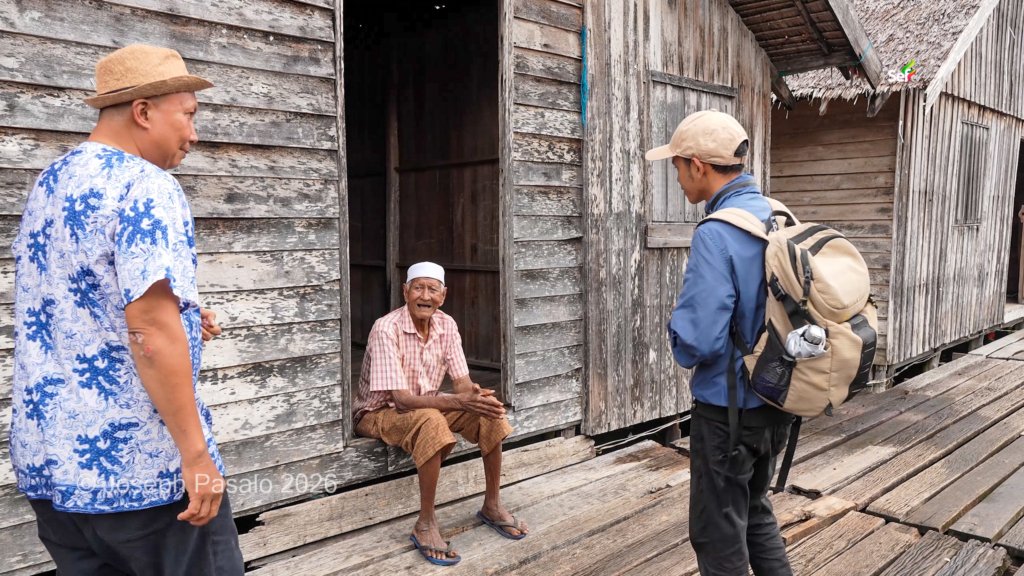
The oldest imam in the village, whom the locals call “Bapa,” or father, leads the rituals. Offerings of food are arranged on a traditional tray called a dulang. The narrow sacred walkway where these rituals are held has its own name: Pantan.
They showed me the first house their ancestors ever built, called luma maheya. It was made without a single nail. Every piece is clamped and locked together by hand, and the design has been kept exactly the same for generations, just as the ancestors wished. Nearby stands a langgal, a traditional wooden mosque where the Muslim community prays and where important rituals still take place. The houses can be counted, but no one can really count how many years old the earliest ones are.
A small town that is quietly growing
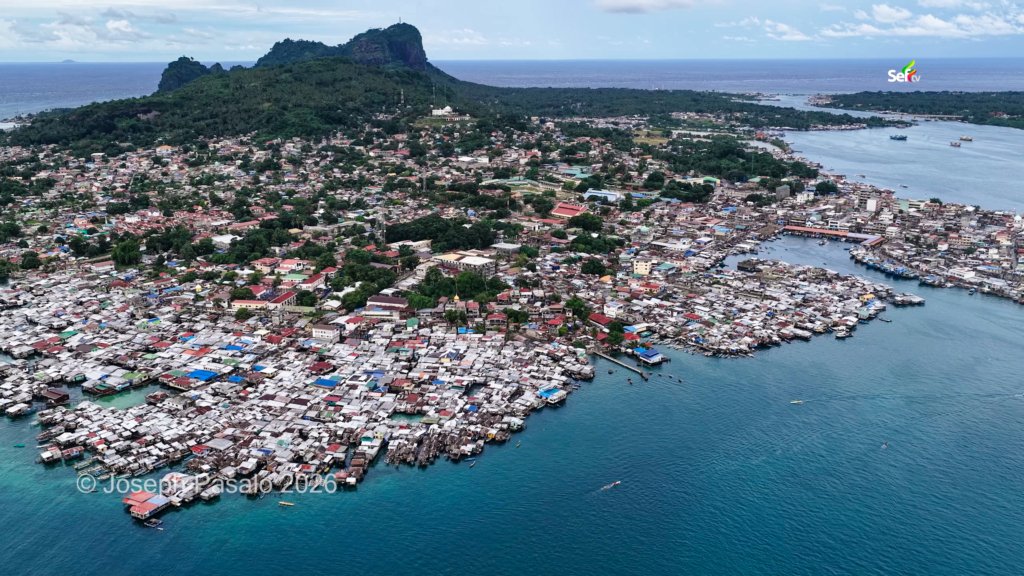
South Ubian is made up of four islands, and most of its people live on the Tabawan side. Of the town’s 31 villages, twelve sit above the water. Walking through the streets, with all their many turns, felt like moving through a gentle maze.
The old wooden houses now stand beside concrete buildings. There are schools, grocery stores, a pharmacy, and even a remittance branch. The locals told me the town got its nickname from the sheer number of small retail stores here. There is no wet market, though. All the fresh fish is sold straight from the boats, caught that same day.
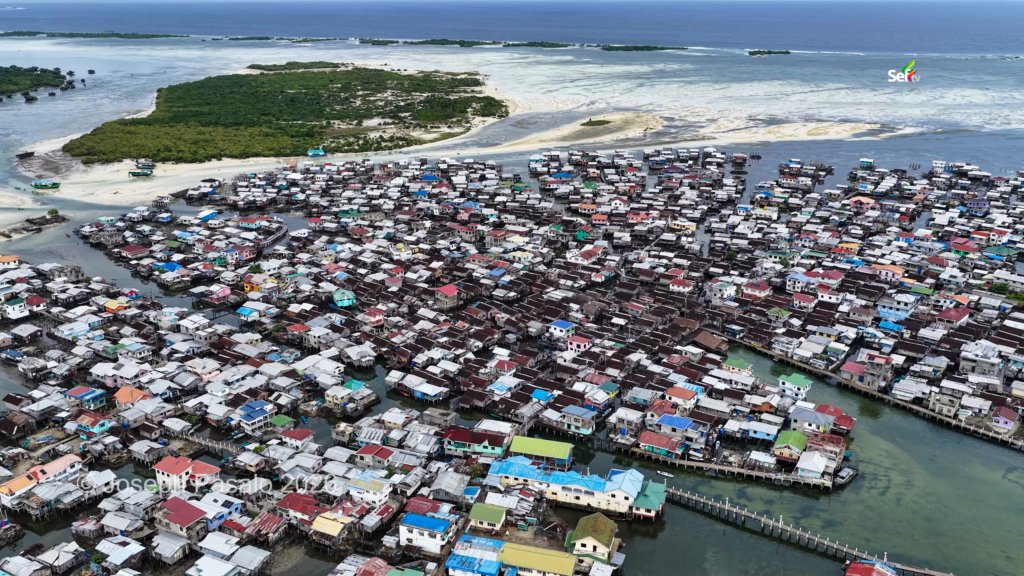
I also noticed a small but charming detail. The homes here often have no fences, but they always have a gate — some made of wood, some of concrete. A fence is optional, but a gate, it seems, is a must.
Graveyard Island and the meaning of stone
The next day, the sky turned gray and the rain came down hard, but we pressed on. Just across the water from town lies Bumbun Island, which the locals call Graveyard Island.
The grave markers here are made of limestone, and their shapes tell a story. A long marker means a boy or man is buried there. A wide one means a woman. A large marker is for an elder, a small one is for a child, and clusters of markers mean a whole family rests together. The shapes are also seen as symbols of who we are.
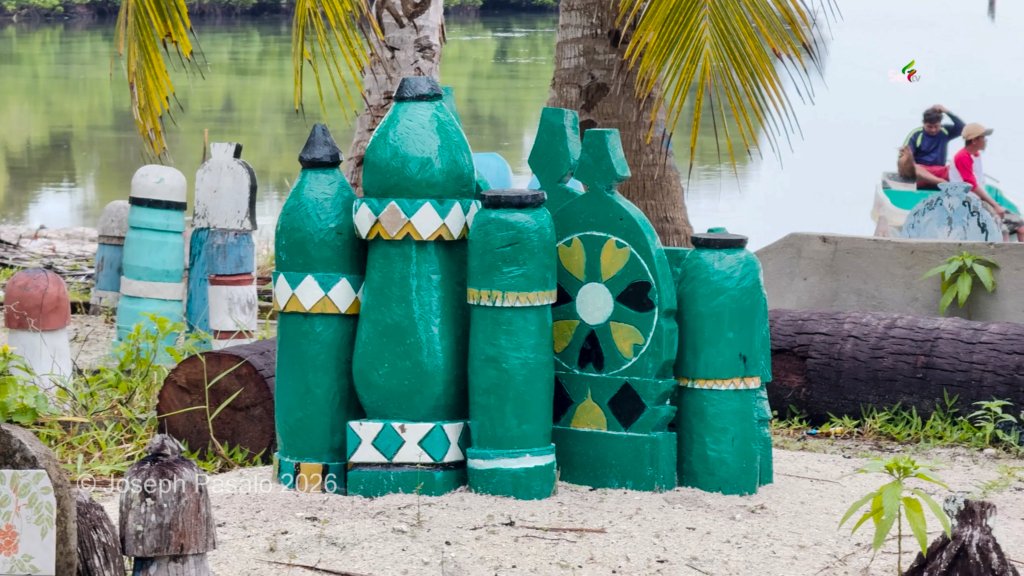
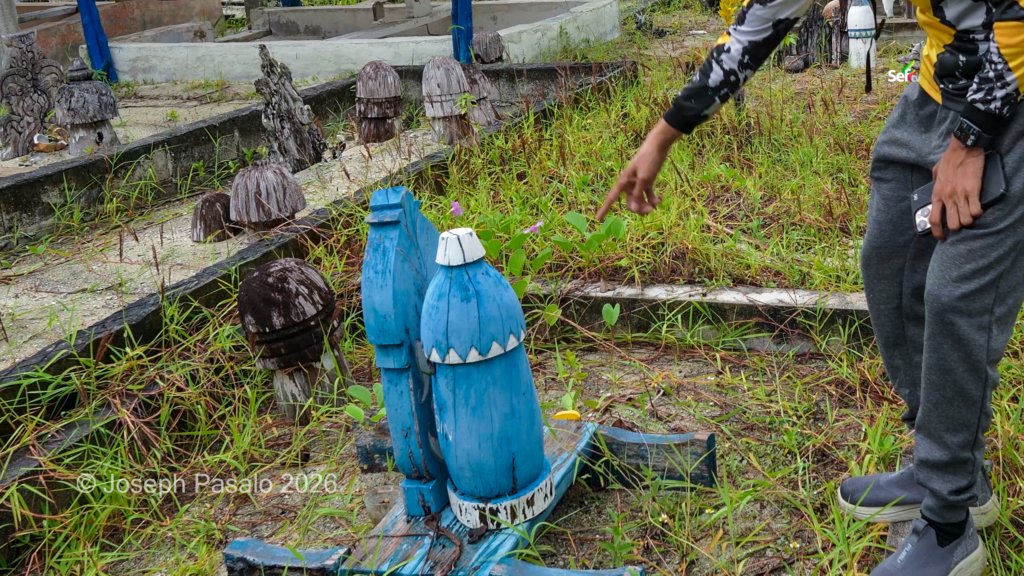
Five days before the holy month of Ramadan, the people return to this island to honor their ancestors. They call this time Limang Hari ni Kamatayan, their own version of All Souls’ Day.
Clean water, clean record
From Graveyard Island, we crossed more than six kilometers of rough sea to reach Bintawlan, an island so beautiful that even tourists find their way here.
On Tabawan, I had wondered where people get fresh water when it does not rain for a month. The answer is a cistern — a stored-water system fed by an underground spring on the island. The water is clean, never salty, and the people use it for washing, bathing, and even drinking.
Bintawlan also holds a quiet point of pride. South Ubian is home to the only reformation center in all of Tawi-Tawi, and the town has been named the only municipality in the province where every single village is cleared of drugs — an honor it has held for two years, thanks to the work of its mayor, Hadzri H. Matba.
On the beach, a local picking through the sand handed me a beautiful spider conch shell, the kind I had only ever seen used as decoration. Here it was just lying in the wild. The sand itself was startlingly white, mixed with bits of coral and crushed pink fragments from the sea.
A town worth remembering
In just two days of going around this small corner of Tawi-Tawi, I saw and heard more stories than I could have imagined. South Ubian is not large compared to the other places I have visited, but what I found here is only a small piece of everything still waiting to be discovered in a town that has barely appeared on social media.
Through their culture, their traditions, and their natural beauty, the people here hold a simple hope — that one day, like other famous destinations, their home will welcome travelers too. They call it the first town known as the home of the living tradition.
Before we left, someone held up a fish to the camera, smiling. To them it was nothing special, just a normal catch. But to me, it was proof of how rich this place truly is — in its waters, in its history, and in the way it keeps the past alive.
Watch the full expedition
Frequently Asked Questions
About South Ubian, Tawi-Tawi
Where is South Ubian, Tawi-Tawi?
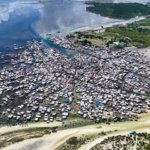
South Ubian is a municipality in the province of Tawi-Tawi, in the far south of the Philippines, sitting where the Sulu Sea meets the Celebes Sea. It’s made up of four islands and almost 30,000 people, with most of the population living on Tabawan, the main island. Of its 31 villages, twelve are built directly above the water on stilts. Locals describe the town as lying along the boundary between Sulu and Tawi-Tawi.
How do you get to South Ubian?
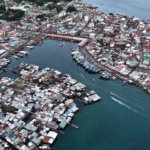
Every trip to South Ubian starts in Bongao, the capital of Tawi-Tawi, and crosses open sea from there. Public ferries run only three times a week and the ride can take up to seven hours. A hired speedboat cuts that to two or three hours — but only when the water is calm. This is the stretch where two seas push against each other, so currents are unpredictable and departures get delayed by weather. Build extra days into your schedule. Ours was pushed back again and again.
Is it safe to travel to South Ubian?

On our trip, the sea was the real risk, not the town. The crossing to Tabawan can turn rough without warning, and a boatman who knows how to read these waters matters far more than the size of the boat. On land, South Ubian is quiet and welcoming — it’s the only municipality in Tawi-Tawi where every village has been certified cleared of drugs, an honor it has held for two years. As with any trip to this part of the country, check current travel advisories and coordinate with the local government before you go.
Why do people in Tabawan believe their ancestors still live in their houses?
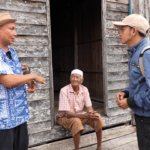
In the oldest village of South Ubian, the original wooden houses are considered sacred, and families believe the spirits of their ancestors still dwell inside them. They aren’t feared as ghosts — they’re treated as family members who never left, and a bed is kept in the house for them. Visitors pay respects to both the living elders and the ancestors before entering and leaving. The oldest imam, called “Bapa,” leads the rituals, with food offerings arranged on a traditional tray known as a dulang, along a sacred walkway called the Pantan.
What is a luma maheya?
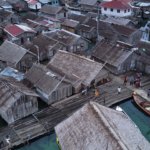
Luma maheya is the name for the first house the ancestors of Tabawan ever built. It was constructed without a single nail — every joint is clamped and locked together by hand — and the design has been reproduced without change for generations, exactly as the ancestors wished. Nearby stands a langgal, a traditional wooden mosque where the Muslim community prays and where important rituals still take place. The houses in this village can be counted, but no one can say how old the earliest ones truly are.
What is Graveyard Island in Tawi-Tawi?
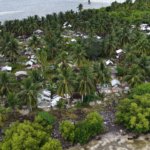
Graveyard Island is the local name for Bumbun Island, just across the water from the South Ubian town center. Its grave markers are carved from limestone, and their shapes carry meaning: a long marker means a boy or man is buried there, a wide one means a woman, a large marker is for an elder, and a small one is for a child. Clusters of markers mean a whole family rests together. To the community, these shapes are symbols of identity, not just markers of a burial.
Where can you stay in South Ubian?

There is one hotel in the Tabawan town center, and it’s better equipped than most travelers would expect this far off the map — a fan, an air conditioner, a wardrobe, and a private bathroom. Reaching it takes a short walk. Cars and motorcycles aren’t allowed in parts of the town, so it’s roughly 300 meters on foot along clean, quiet pathways from where vehicles stop.
Does South Ubian have electricity?

Grid electricity on Tabawan starts at four in the afternoon. Before that, solar power runs the lights and fans. In practice this means planning your day around it — charging cameras, phones, and batteries in the evening, and saving air conditioning for after dark. If you’re shooting, bring power banks and spare batteries.
What is South Ubian known for?
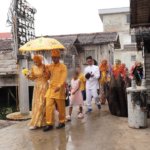
South Ubian calls itself the first town known as the home of the living tradition — sacred ancestral houses, nail-free construction, and rituals still practiced in the oldest village on Tabawan. It’s also known locally for the sheer number of small retail stores that gave the town its nickname. There’s no wet market at all; fresh fish is sold straight from the boats, caught the same day. And it holds a quiet civic distinction as the only municipality in Tawi-Tawi with every village cleared of drugs.