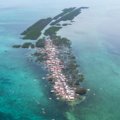


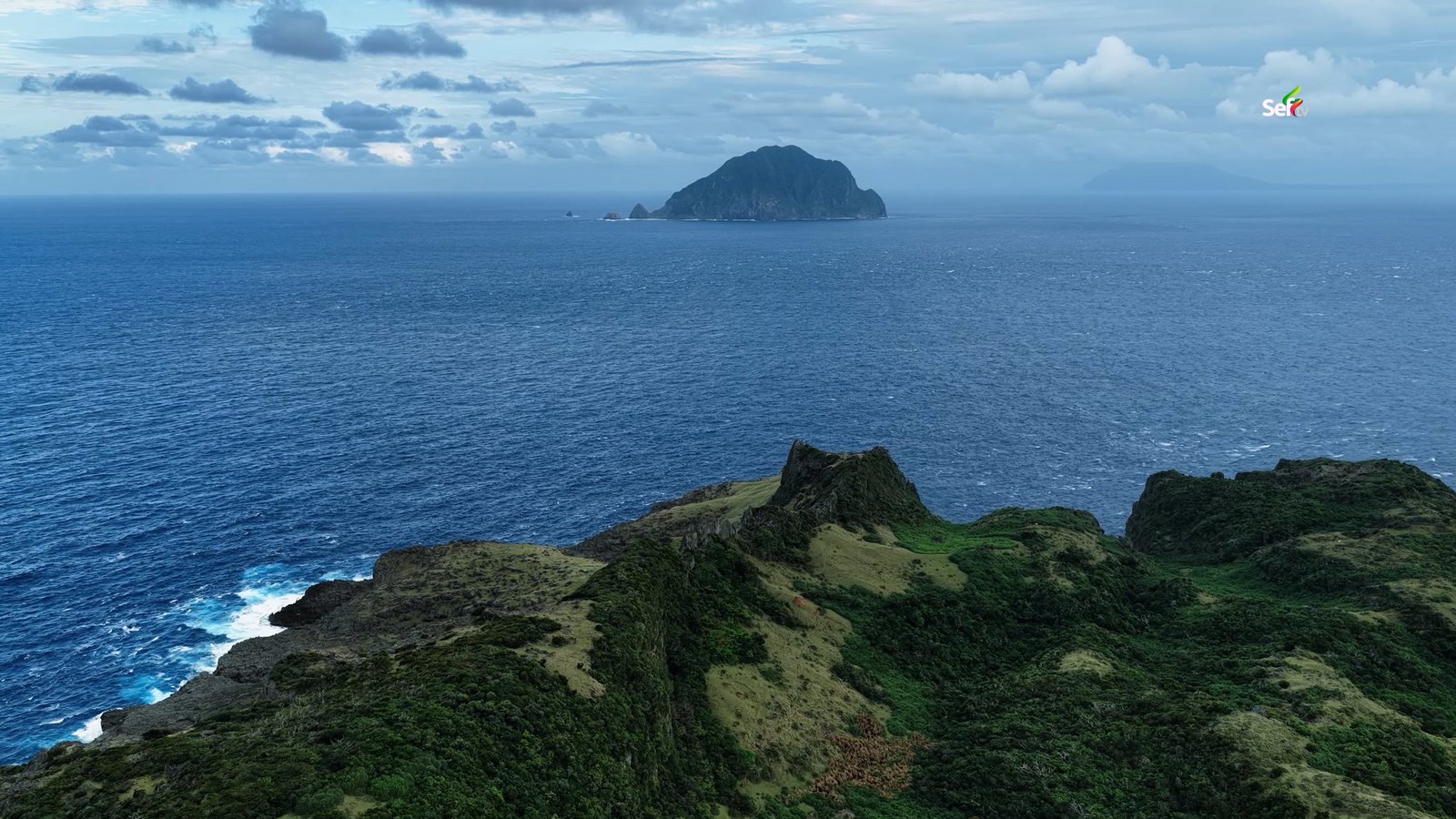
ITBAYAT, Batanes — From the cliffs of this island town, the nearest big landmass is not the Philippines. It is Taiwan, about 153 kilometers to the north — closer than Aparri, the nearest point on mainland Luzon.
Getting to the country’s northernmost town is still very hard. There are no bridges and no regular ferries. The only way in is by small boat or by planes that carry no more than ten passengers — and both depend on some of the worst weather in the country. I spent four days traveling across the province to see what daily life looks like at the far northern edge of the Philippines, and why so few Filipinos have ever been there.
A Ninety-Minute Flight, Then a Different Climate
The trip started at Clark International Airport in Pampanga, where Philippine Airlines flies direct to Basco, the capital of Batanes, in about an hour and a half. A smaller airline, Skypasada, flies the same route from Tuguegarao. The planes are small — just two seats on each side of one aisle.
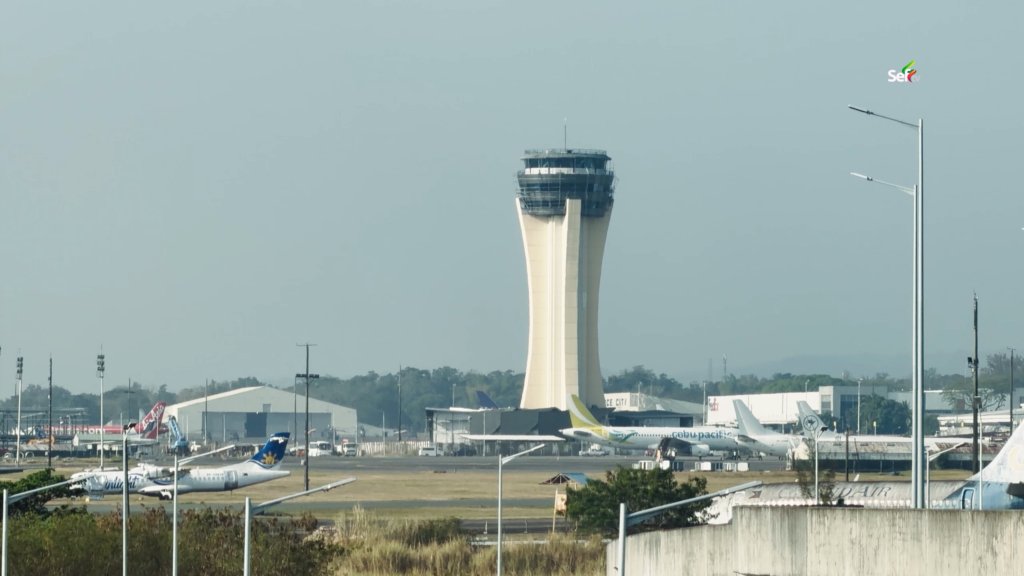
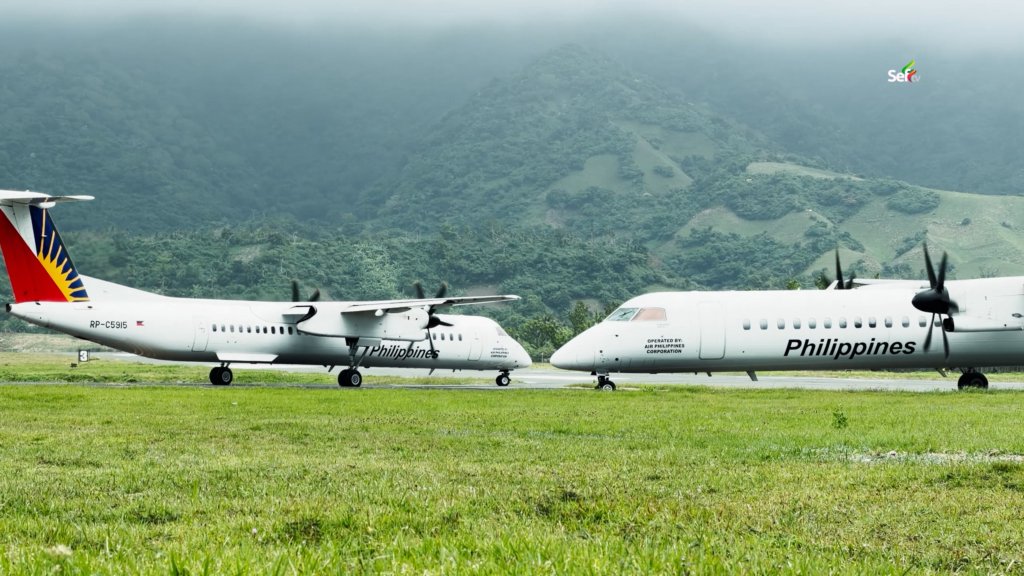
The flight itself gave us a preview of what the province is like. The weather over mainland Luzon was calm and hot. But as we got near Batanes, the plane entered thick clouds and started shaking from strong winds. Basco Airport is known as one of the hardest airports to land at in the Philippines, and our landing was clearly rough. On the ground, the change was instant: it was cold. Because of the strong north wind, the temperature felt like the highlands of Benguet and the Mountain Province — a big difference from the heat we had left just ninety minutes before.
Basco: A Capital Ready for Visitors
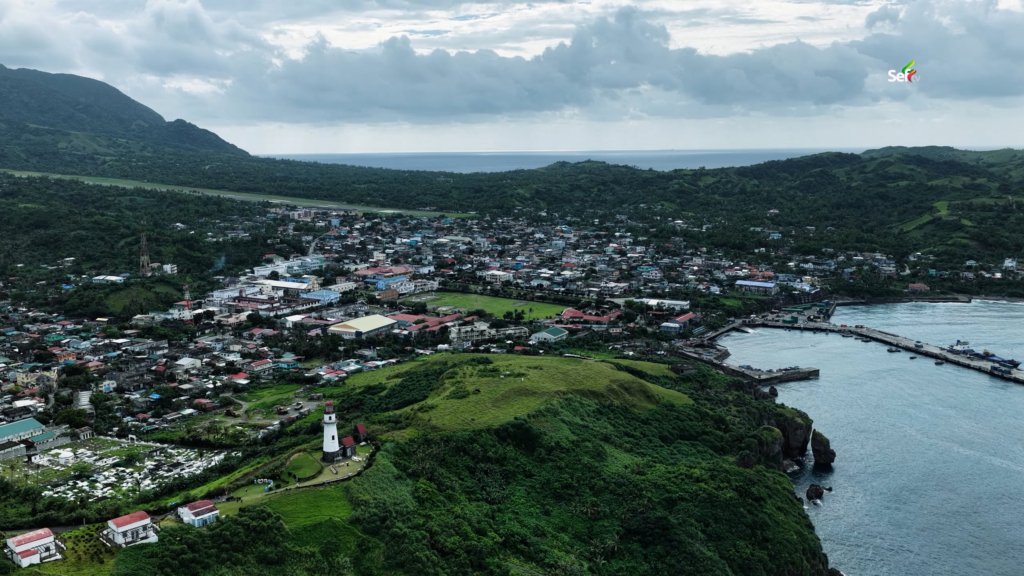
Basco covers almost 5,000 hectares and is the capital and busiest town of Batanes. The town center has all the basic services of the province: hotels, restaurants, banks, shops, government offices, a hospital, the airport, and concrete ports. The local language is Ivatan, many residents also speak Ilocano, and Tagalog is understood everywhere.
The town is more ready for tourists than you would expect from a place this far away. Basco even has a special “tourism class” of tricycles — vehicles used only for bringing visitors on tours, separate from the regular tricycles that locals ride every day. The hotels were also a surprise. I expected simple huts, but the places to stay here are as nice as those in much easier-to-reach destinations.
The province’s limits showed up fast, though. Bad weather across Batanes stopped all sea travel on our first day. The waves were too big for boats. The only way left to reach Itbayat was by plane — the next morning, if the weather allowed.
The Itbayat Route: ₱4,000, Ten Minutes
Three companies — Aerospeed, Fliteline, and Skypasada — fly between Basco and Itbayat using planes that carry six to eight passengers. A one-way ticket costs almost 4,000 pesos. The other option is a boat trip that takes about two and a half hours through rough seas. The flight takes ten minutes.
But there are very few flights. Our 10 a.m. arrival in Itbayat was the last flight of the day. The next one was the following morning. After we landed, one departing passenger got on, and the plane flew straight back to Basco. The island’s airport is much smaller and quieter than Basco’s — one plane on the runway, a handful of passengers.
There is a simple reason only small planes fly here: Itbayat’s runway is too short for anything bigger. Only ten-seater planes can use it.
The Largest Island, With Few People
At more than 8,000 hectares, Itbayat is the largest of the three lived-in islands of Batanes. Six of the province’s ten islands are under its care. But the people live mostly in one town center, and you can see the difference on the road. During the drive from the airport, ours was often the only vehicle in sight, and the goats and cows seemed to outnumber the people we passed. With no tall buildings and no high mountains, you can see all the way across the island.
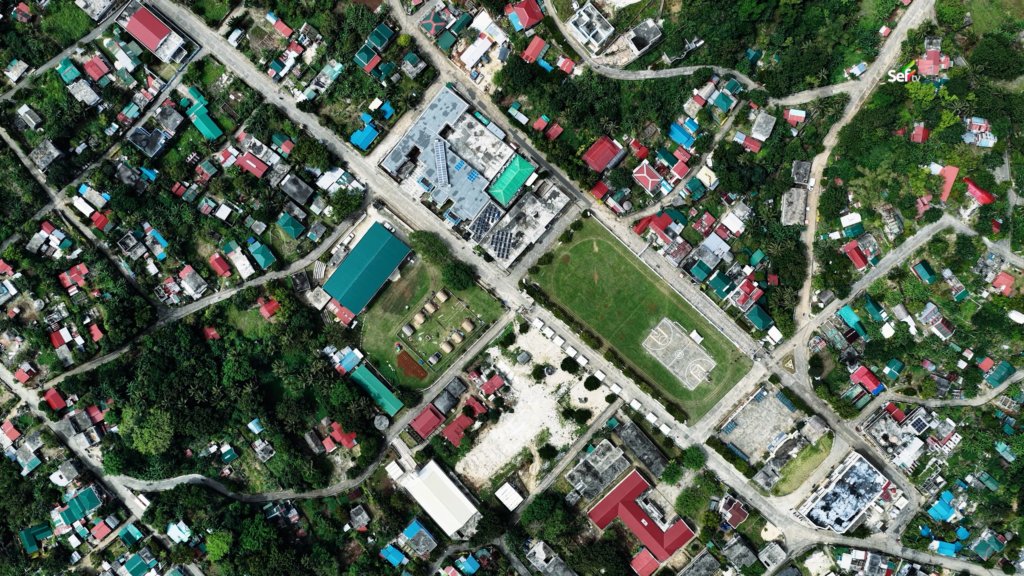
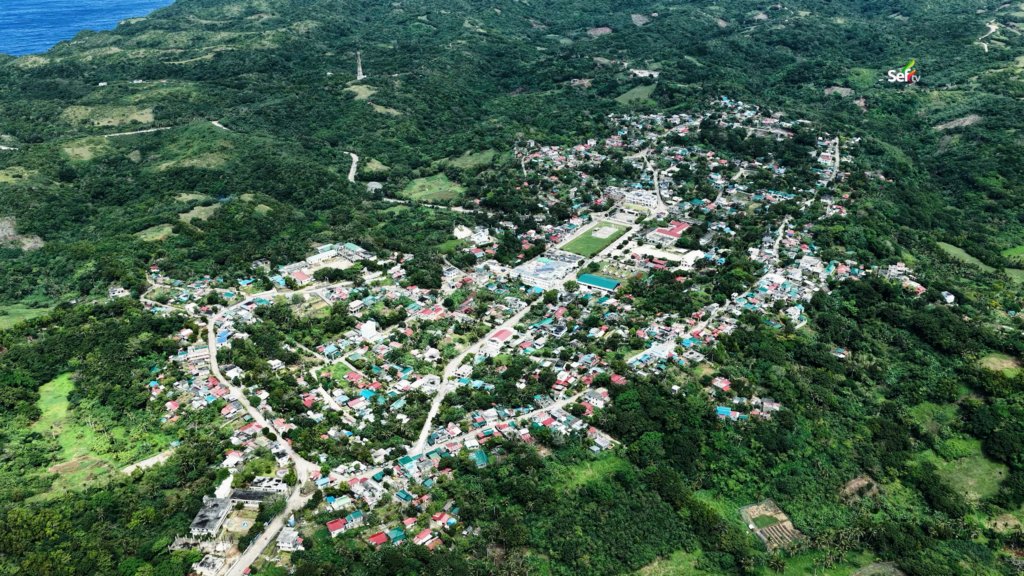
Even with its distance from everything, the town center has what it needs: shops, a gas station, a hospital, hotels, the municipal hall, and schools. Electricity runs 24 hours a day, water is supplied, and the internet signal is strong. Starlink satellite dishes are now a common sight on rooftops, next to the antennas of the usual telephone companies.
“The Most Dangerous Port”
On the island’s coast sits Chinapoliran Port, Itbayat’s old commercial port, which residents call the most dangerous port. Passenger boats from Basco used to dock here. The way cargo is handled shows how creative the islanders have to be: goods unloaded from boats are placed on push carts, and a truck then pulls the carts up a very steep slope.
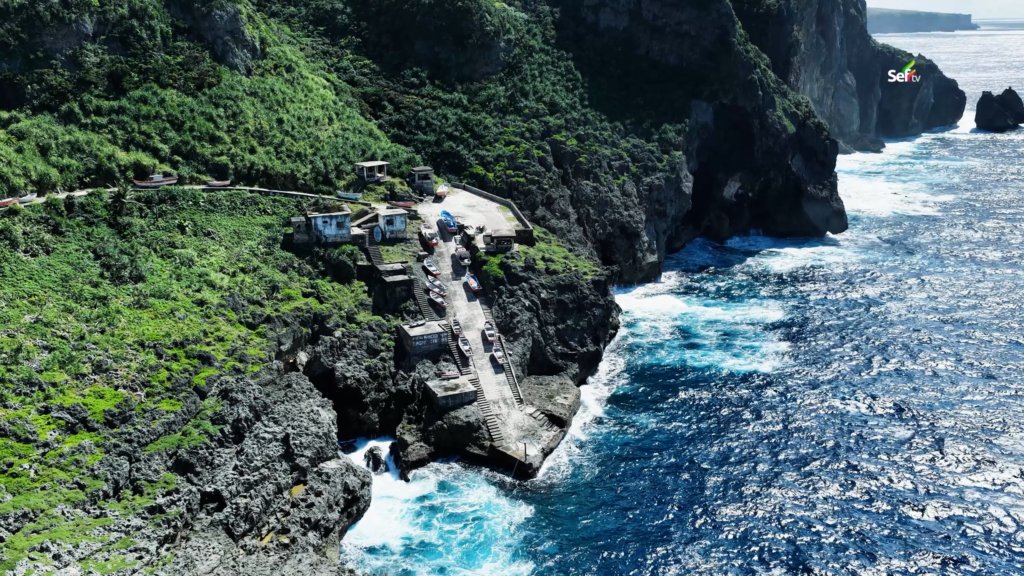
The port can only be used when the sea is calm — and that does not happen often. On the day we visited, the weather was not even considered bad by locals. Still, the waves were crashing hard against the rocks, and not a single boat was docked.
The reason is the island’s location. Itbayat sits between the Philippine Sea and the South China Sea, where the Balintang and Bashi Channels meet, with no land anywhere to block the wind. Residents sum it up in a line we heard again and again during the visit: every day, every minute, there is a challenge here.
Food Supply That Depends on the Weather
Being far from everything has a real cost. During the windy season, flights become rare and sea travel stops completely. Residents told us that basic goods — including rice, which comes by ship from mainland Luzon — sometimes get stuck for long periods when bad weather stops deliveries. Farming and fishing help feed the island, but even fishing stops when the sea is rough.
Farming has found ways to adjust. Garlic is one of the island’s main crops, and farmers were busy harvesting during our visit. The local types — Batanes red and Batanes white — are sorted into quality grades, a system residents compared to Taiwan’s.
That comparison points to something surprising: even though Taiwan is so close, there are no direct flights between it and Itbayat. All goods still come the long way, from the Philippine mainland.
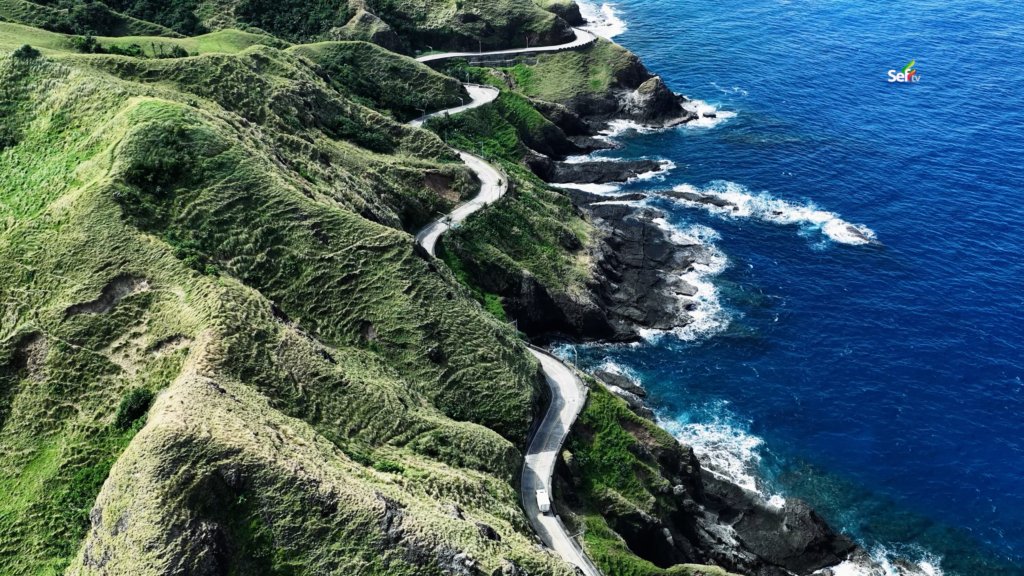
The island also has many beautiful spots that few tourists ever see. Among the places we visited were Raffang Cliff, Mauyen Cliff, and a viewdeck along the coast.
A Pilot on Flying in Batanes: “We Don’t Compromise the Safety”
Before our return flight to Basco, the pilot agreed to an interview — and spoke openly about what it takes to fly in this province.
Asked about our rough landing days earlier, he admitted that the wind that day had gone past the normal limits, and the flight was almost cancelled. “We don’t compromise the safety,” he said. When the wind is too strong, they simply do not fly.
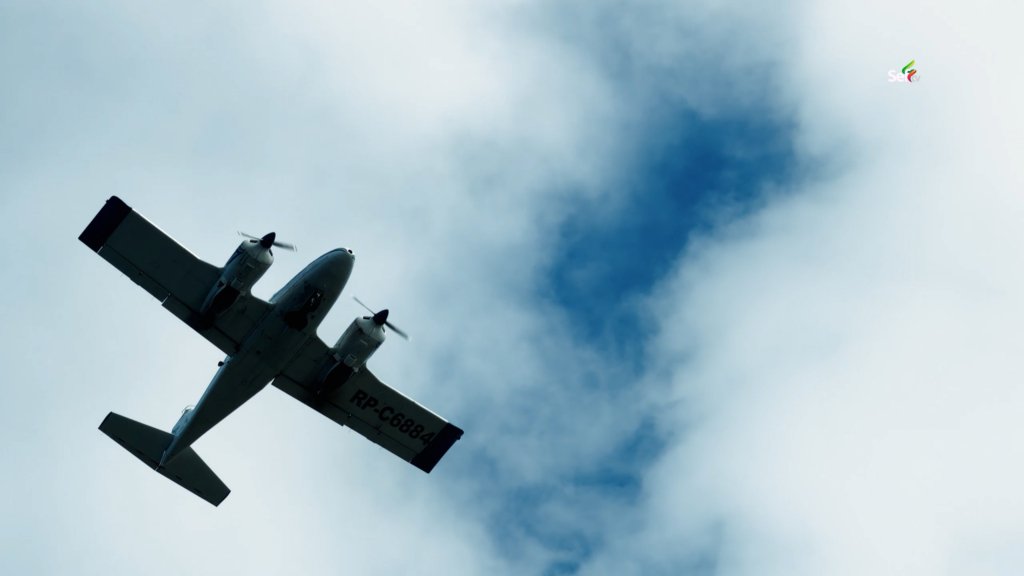
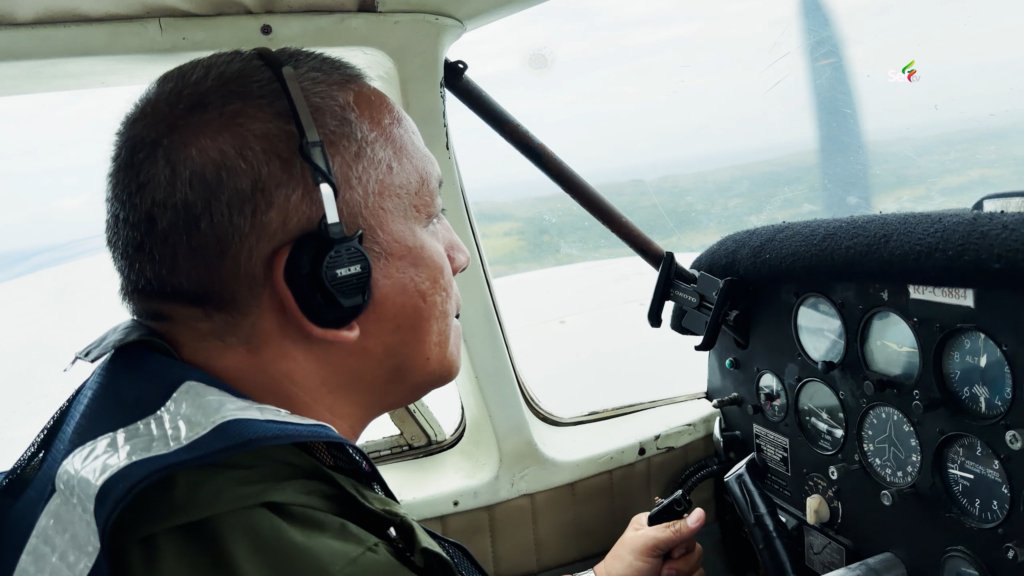
Landing, he explained, can depend on the pilot. One pilot’s skill and approach may allow a landing that another pilot would not attempt, and one plane may land where another cannot. Sometimes a plane touches down and then quickly climbs back into the air — this is called a go-around, done whenever the landing becomes unsafe, usually because of the islands’ strong crosswinds.
Comparing Basco to other airports in the Philippines, he said there is nothing like it. Other airports get a calm season. Batanes has none. The wind, the temperature, and how the plane performs change all year round, and the weather can flip without warning — bright sunshine one moment, sudden rain the next. We saw it happen ourselves. As we talked on the runway, he pointed out that the wind would get even stronger later in the day.
Underground Cables and Stores With No Guards
Back on Batan Island — at over 7,000 hectares the most populated island in the province, and home to the towns of Mahatao, Ivana, and Uyugan beyond the capital — two things about local life stood out.
The first is something you cannot see: the island’s power cables run underground, buried beneath the roads and rocks, marked only by orange posts along the roadside. Look up anywhere in Basco and there are no hanging wires — something usually found only in well-planned parts of big cities like Davao, but standard here at the country’s far edge.
The second is Basco’s famous honesty stores. At one coffee and souvenir shop near the town center, there is no staff, no guard, and no camera. Customers pick what they want — coffee, biscuits, snacks, woven bags, and other souvenirs, all with listed prices — write it down on a sheet at the entrance, and leave their payment. The whole system runs on trust. And according to everyone we asked, it works.
Nearby, the day’s catch of fish is sold along the roadside instead of at the market — which, one vendor explained, is why the market itself has little fish. Prices ranged from 240 to 260 pesos per kilo, with almost everything under 300 pesos, even the lobster. Among the catch were a crab with hairy legs, called ademitsing in Ivatan, and a strange box-shaped fish that locals call the “4 by 4” — stiff like cardboard on the outside, but with soft, tasty flesh inside, the vendor said.
The town’s most famous landmark, the old lighthouse, stands within walking distance of the center. It is the image most people picture when they hear “Batanes,” and it has become a favorite venue for weddings and events.
A Province Protected by Its Own Hardship
Four days were not enough for this province. By the end, the list of places we had not visited was longer than the list of places we had.
Batanes remains the destination most Filipinos call a dream exactly because it is so hard to reach: days of travel, small planes at high prices, and weather that cancels every plan. But those same hardships have kept the province the way it is — the empty roads, the honesty stores, the garlic fields, and a pace of life set not by traffic or business, but by the wind.
For now, the country’s northernmost town remains closer to Taiwan than to its own mainland — and farther from ordinary Philippine life than any number of kilometers can measure.
Watch the full expedition
Frequently Asked Questions About Itbayat, Batanes
Itbayat sits about 153 kilometers south of Taiwan. That makes Taiwan the nearest large landmass to the Philippines’ northernmost town — closer than Aparri, the nearest point on mainland Luzon. Standing on the island’s cliffs, you are geographically nearer to another country than to your own mainland. Despite that proximity, there are no direct flights or shipping routes between Itbayat and Taiwan. Every delivery of rice, fuel, and supplies still travels the long way around, up from the Philippine mainland.
It takes two flights and a lot of patience. From Clark International Airport in Pampanga, Philippine Airlines flies direct to Basco, the capital of Batanes, in about ninety minutes. Skypasada also flies to Basco from Tuguegarao. From Basco you either take a ten-minute flight to Itbayat on a six-to-eight-seater plane, or a boat crossing of roughly two and a half hours through rough seas. There are no bridges and no regular ferries. Both options depend entirely on weather, and both get cancelled often.
A one-way ticket runs close to ₱4,000. Three carriers fly the route — Aerospeed, Fliteline, and Skypasada — using planes that seat six to eight passengers. The flight itself takes only ten minutes. The catch is frequency: flights are very few, and a 10 a.m. arrival can be the last one of the day, with the next departure not until the following morning. The reason no larger aircraft serve the island is simple — Itbayat’s runway is too short for anything bigger than a ten-seater.
No. Even though Taiwan is only 153 kilometers away — closer than the Philippine mainland — there are no direct flights or commercial routes connecting it to Itbayat or Batanes. Everything the islands receive comes from mainland Luzon by plane or ship. It’s one of the strangest facts about the place: the nearest country is easy to see on a map and impossible to reach from here.
It’s the wind. Batanes sits fully exposed where the Balintang and Bashi Channels meet, with no land anywhere to block the air moving between the Philippine Sea and the South China Sea. A pilot we interviewed said that unlike every other airport in the country, Basco has no calm season — wind, temperature, and aircraft performance shift all year, and conditions can flip from bright sun to sudden rain within minutes. Crosswinds regularly force go-arounds, where a plane touches down and immediately climbs back into the air. When the wind exceeds limits, crews simply do not fly.
There is no reliably calm season. That’s the honest answer, and it comes directly from a pilot who flies the route: other Philippine airports get a settled period each year, Batanes does not. During the windy months, flights become rare and sea travel stops completely — sometimes long enough that even rice shipments from Luzon get stuck. Whenever you go, build buffer days into your itinerary. Our own sea travel was cancelled on day one, and the only way forward was to wait for the next morning’s flight.
Yes, and better than most visitors expect. Electricity in the Itbayat town center runs twenty-four hours a day, water is supplied, and the internet signal is strong. Starlink satellite dishes are now a common sight on rooftops alongside the usual telecom antennas. The town center also has shops, a gas station, a hospital, hotels, the municipal hall, and schools. The isolation here is about transport and supply chains, not about basic services.
Chinapoliran is Itbayat’s old commercial port, and residents call it the most dangerous port in the country. Passenger boats from Basco once docked here. Cargo handling shows the ingenuity the island demands: goods come off the boats onto push carts, and a truck then hauls the carts up a very steep slope. The port is usable only when the sea is calm, which is rare. On the day we visited, locals didn’t even consider the weather bad — and still, waves were smashing against the rocks with not a single boat docked.
They are unstaffed shops that run entirely on trust. At one coffee and souvenir store near the Basco town center, there is no attendant, no guard, and no camera. Customers take what they want — coffee, biscuits, snacks, woven bags, souvenirs, all with listed prices — write their purchase on a sheet at the entrance, and leave payment behind. Everyone we asked said the system works. It has become one of the most talked-about symbols of Ivatan culture.
Itbayat is the largest of the three inhabited islands of Batanes at over 8,000 hectares, with six of the province’s ten islands under its jurisdiction — yet almost everyone lives in a single town center. Among the spots we visited were Raffang Cliff, Mauyen Cliff, and a coastal viewdeck. The island is also garlic country, growing the Batanes red and Batanes white varieties, graded by quality in a system residents compare to Taiwan’s. With no tall buildings and no high mountains, you can see clear across the island.